

Business model and value creation
Geberit handles the use of water in buildings as a resource under the motto: “Mastering water – because people need outstanding sanitary products”. As a European leader in the field of sanitary technology, the company develops, manufactures and sells durable, resource-saving and innovative products for new buildings and renovation projects.
The portfolio of products and services includes a wide assortment structured in three product groups:



The product area Installation and Flushing Systems comprises all sanitary installation technology plus a broad range of flushing systems for toilets including cisterns and fittings. Share of sales in 2025: 37%
The product area Piping Systems includes building drainage and supply systems and comprises all piping technology found in buildings for drinking water, heating, gas and other media. Share of sales in 2025: 33%
The product area Bathroom Systems comprises all relevant furnishings in a bathroom such as bathroom ceramics, furniture, showers, bathtubs, taps and controls, and shower toilets. Share of sales in 2025: 30%
For further information on the product range, see www.geberit.com > Company > Products > Product portfolio. Additionally, the company also offers a range of services, including:
Comprehensive training for B2B customers
Technical project support (e. g. the digital project planning tool Building Information Modelling (BIM))
After-sales service
Digital product information and environmental product declarations (EPD)
The continued business success of the company is founded on a long-term business model that is based on strategic stability, continuous adaptability and operational flexibility. The corporate strategy is based on four pillars:
Focus on sanitary products
Commitment to innovation and sustainability
Selective geographic expansion
Continuous optimisation
A systematic risk analysis reinforces the resilience of the business model. In addition to financial and operational risks, risk management also takes into account ESG-related risks. The materiality of the ESG-related impacts, risks and opportunities is defined in the process of the double materiality assessment.
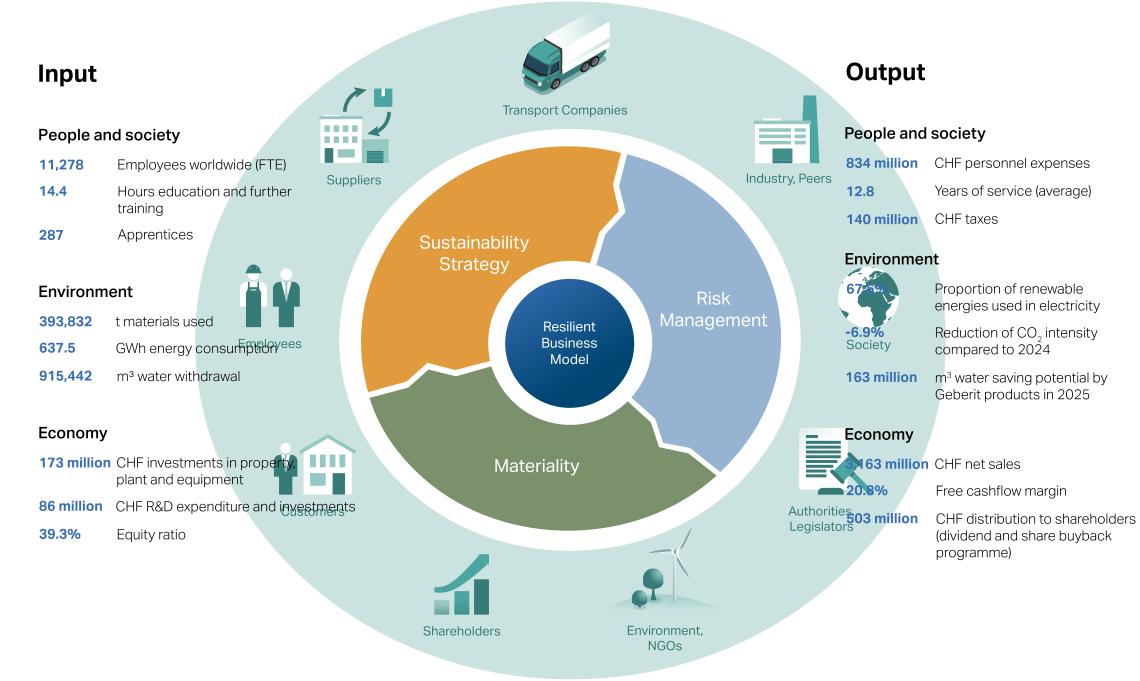
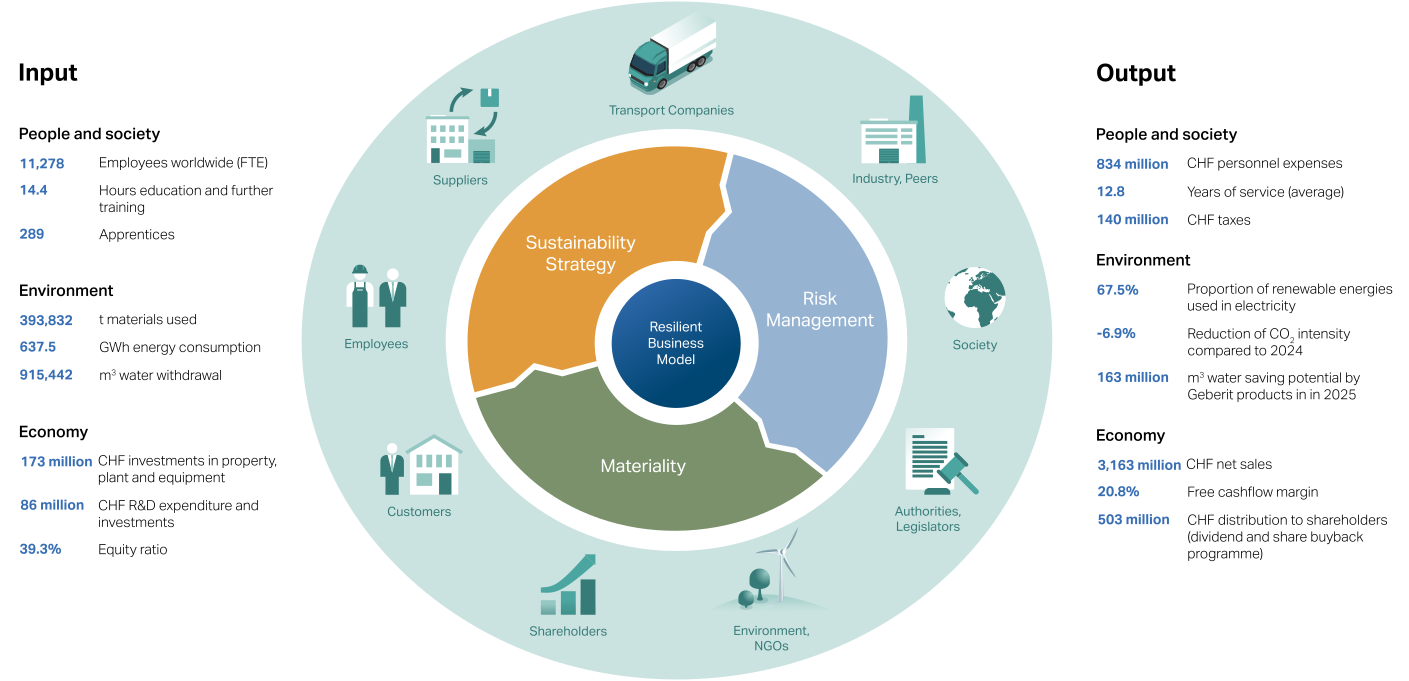
The resulting material topics are translated into the operational fields of action in the sustainability strategy, which in turn is an integral part of the corporate strategy. The goal is to minimise risks, take opportunities systematically and create long-term value for all stakeholders, see figure:
Value creation logic from an ESG perspective
Operationally, the corporate strategy is implemented through functional strategies and initiatives, such as strategic growth initiatives for technology penetration or optimisation initiatives at the plants.
This results in an impact-oriented system that brings together corporate resilience, ESG conformity and added value for stakeholders.